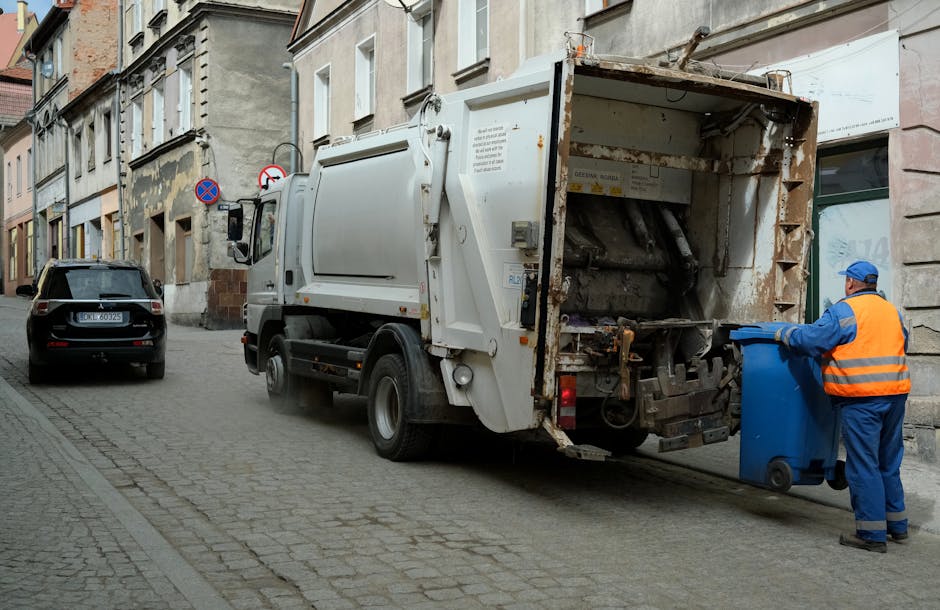
Yeading estate bulk rubbish removal options Hayes
If you live on or manage a Yeading estate and suddenly have a hallway full of broken furniture, bagged clutter, old appliances, or renovation leftovers, you do not need the headache to grow bigger than the pile itself. Yeading estate bulk rubbish removal options Hayes can be a straightforward way to clear space quickly, safely, and without turning the day into a logistics puzzle.
To be fair, bulk waste in estate settings is rarely just "a few bits and pieces." It tends to arrive all at once: a sofa nobody wants to lift, a mattress that has seen better days, a shed of garden waste after a weekend clear-out, or a flat that needs emptying before a move. This guide walks through the practical options, what works best in different situations, what to avoid, and how to choose a service that fits the realities of estates in Hayes.
Whether you are a tenant, landlord, property manager, contractor, or simply the person who ended up organising the job, you will find clear, usable advice here.
Table of Contents
- Why Yeading estate bulk rubbish removal options Hayes Matters
- How Yeading estate bulk rubbish removal options Hayes Works
- Key Benefits and Practical Advantages
- Who This Is For and When It Makes Sense
- Step-by-Step Guidance
- Expert Tips for Better Results
- Common Mistakes to Avoid
- Tools, Resources and Recommendations
- Law, Compliance, Standards, or Best Practice
- Options, Methods, or Comparison Table
- Case Study or Real-World Example
- Practical Checklist
- Conclusion
- Frequently Asked Questions
Why Yeading estate bulk rubbish removal options Hayes Matters
Estate waste is different from a one-off household bin bag. It usually involves access issues, shared walkways, neighbours, parking limitations, and the simple fact that bulky rubbish takes up a lot of room very quickly. A pile that starts as "just temporary" can become a safety issue, a nuisance, or an eyesore by the following day. And on estates, that matters more than people sometimes realise.
There is also the reputation factor. If you manage a block or communal area, cluttered corridors and fly-tipped items can make residents feel that things are slipping. If you are a resident, you may just want peace and a clear route to the front door again. The right bulk rubbish removal approach helps you get there without fuss.
In Hayes and the wider local area, people often need a solution that is faster and more flexible than waiting around for the "right" collection window. That is where estate-focused removal options come into their own. They can handle awkward items, mixed loads, and short-notice clearances in a way that feels practical rather than ceremonial. No drama. Just space.
Expert summary: For Yeading estates, the best bulk rubbish removal option is usually the one that balances access, speed, item type, and responsible disposal. If the load is bulky, mixed, or time-sensitive, a direct clearance service is often more efficient than trying to piece the job together with multiple trips.
Many residents also prefer a service that can connect the waste job with wider property clearance needs, such as flat clearance, house clearance, or home clearance when a simple rubbish pickup is only part of the picture.
How Yeading estate bulk rubbish removal options Hayes Works
In practice, bulk rubbish removal starts with identifying what needs to go and how it will be removed. That sounds obvious, but it saves time later. A couple of crushed wardrobes, a broken fridge, a pile of boxes, and some garden clippings all behave differently once you start loading them. The service needs to know whether it is a light bulky load, a mixed waste load, or something that includes restricted items.
Most estate clearances follow a simple pattern:
- You describe the items and the access situation.
- The removal team assesses the load, often with photos or a brief call.
- A price or estimate is given based on volume, labour, item type, and disposal requirements.
- The team arrives, removes the rubbish, and loads it safely.
- The waste is taken away for sorting, recycling, and lawful disposal.
The real difference lies in the details. Ground-floor access is easier than two flights of stairs. A clear loading point is easier than a tight estate alley. Furniture removal is not the same as builders' waste. And a fridge or mattress can change the job because of handling requirements.
That is why it helps to work with a provider that can cover related needs too, such as furniture disposal, fridge and appliance removal, or mattress and sofa disposal. In a mixed estate clearance, these are not side issues. They are the job.
Key Benefits and Practical Advantages
The biggest benefit is obvious: you get your space back. But the practical advantages go beyond simply making things look tidier.
- Faster clearance: bulky items can be removed in one visit instead of stretching the job across several days.
- Less lifting and strain: you do not need to drag heavy furniture or awkward waste through shared spaces yourself.
- Better access management: experienced teams are used to stairwells, narrow entry points, and estate parking quirks.
- Cleaner communal areas: removing waste promptly helps reduce fire risk, obstruction, and complaints from neighbours.
- More suitable for mixed loads: estate clearances often involve a bit of everything, not one neat category.
- Responsible disposal: items can be sorted for recycling or special handling rather than dumped at the first available point.
There is also a softer benefit that people underestimate. Once the clutter is gone, the place feels calmer. You notice the echo in the hallway. The light comes back into a room. The smell of old damp cardboard disappears. It sounds small, but anyone who has lived with a pile of bulk waste for too long knows exactly what I mean.
For projects that include renovation debris or trade waste alongside household items, it can help to look at builders waste clearance or broader waste removal options. That way the load is matched to the method, which is usually where the real savings come from.
Who This Is For and When It Makes Sense
Yeading estate bulk rubbish removal options Hayes are useful for a fairly wide range of people. If your situation involves bulky items, a deadline, or shared access, it probably makes sense to consider a dedicated clearance rather than trying to improvise.
This is especially relevant for:
- Residents clearing a flat after a move, refurbishment, or long-overdue declutter.
- Landlords needing a quick turnaround between tenancies.
- Estate managers handling dumped items in communal spaces.
- Letting agents preparing a property for photos, viewings, or handover.
- Contractors dealing with mixed debris after small works.
- Families clearing inherited property or helping a relative downsize.
It also makes sense when you are facing a combination of waste types. A single sofa is one thing. A sofa, broken shelving, a mattress, two bags of old clothes, and a dead freezer is another story entirely. At that point, a structured service is usually the cleaner answer.
If the job is mostly furniture, furniture clearance can be a better fit. If it is an estate garden area, then garden clearance may be more relevant. Truth be told, matching the service to the actual pile makes the whole process easier.
Step-by-Step Guidance
If you want the smoothest result, treat the clearance like a small project rather than a scramble. Nothing fancy. Just a sensible process.
- Walk the site first. Look at what needs removing, where it is located, and whether there are stairs, lifts, locked gates, or parking restrictions.
- Group items by type. Furniture, appliances, loose waste, garden material, and builders' debris should be separated if possible.
- Flag any special items. Fridges, mattresses, confidential paper, or potentially hazardous materials need more careful handling.
- Estimate volume honestly. Underestimating waste is the classic mistake. A "small pile" can become three van loads very quickly.
- Choose the right removal method. Decide whether you need a full clearance, a partial collection, or a service aimed at a specific item type.
- Prepare access. Move cars if necessary, unlock gates, and make sure the route is clear enough for safe lifting.
- Confirm what happens next. Ask how the waste is sorted, whether the provider recycles where possible, and how any restricted items are handled.
A simple tip that often helps: take photos before the job starts. Even if you do not use them, they make quoting easier and reduce surprises later. It is one of those tiny admin habits that saves a lot of back-and-forth. Annoying? Maybe. Worth it? Absolutely.
If you are dealing with a loft, garage, or storage area as part of the estate job, related services like loft clearance and garage clearance can be a smart follow-on when the project grows beyond a simple pickup.
Expert Tips for Better Results
A few practical habits can make bulk rubbish removal noticeably smoother. These are the things that experienced clearance teams tend to appreciate because they reduce delays and awkward handling.
- Keep access realistic. If a van cannot park close enough, say so early. Hidden access problems are what slow jobs down.
- Do not mix everything together if you can help it. Mixed waste is manageable, but sorted waste is usually quicker to process.
- Use a service with clear pricing guidance. Transparency matters more than a vague "cheap" promise.
- Check the item list carefully. A quoted rubbish pile and a real-life pile are not always the same thing.
- Schedule around neighbours if possible. Early mornings are fine in some cases, but on estates, considerate timing can prevent hassle.
If the clearance includes business materials or office furniture from a resident-run workspace or housing office, the same thinking applies. You may need office clearance or business waste removal rather than a generic rubbish pickup.
One more thing: if anything in the pile looks suspicious, sharp, wet, or chemically treated, pause and ask. Better to slow down for five minutes than create a problem that lasts much longer. Nobody wants that on a Tuesday afternoon.
Common Mistakes to Avoid
Most clearance problems are avoidable. They usually come from rushing the setup, not from the removal itself.
- Assuming bulk waste is all the same. It is not. Furniture, white goods, builders' debris, and hazardous items are handled differently.
- Forgetting about access. Tight stairwells, lifts with weight limits, and blocked entrances can completely change the job.
- Leaving the whole thing until the last minute. That often leads to stress, rushed decisions, and higher costs.
- Not checking restricted items. Some items need special handling, and a decent provider should be clear about that.
- Choosing only by price. A low quote is no bargain if the service cannot cope with the real load or the access conditions.
- Ignoring recycling opportunities. A good clearance plan should not assume everything is destined for the same place.
There is also the classic "it'll fit in the car" mistake. Let's face it, most people have tried it once. The sofa says no. The boot says no. Life moves on.
If you are unsure what can safely go with general waste, what can go in a skip is a useful reference point for understanding common waste categories and limits, even if you are not using a skip itself.
Tools, Resources and Recommendations
You do not need a complicated toolkit for bulk rubbish removal, but a few practical resources make the process smoother.
- Phone camera: take clear photos of the pile, access points, and any problem items.
- Measuring tape: useful for bulky furniture and narrow doorways.
- Basic list: write down item types so nothing gets forgotten in the handover.
- Gloves and sturdy shoes: if you are moving anything before the team arrives, protect your hands and feet.
- Labels or marker pens: handy for separating keep, donate, recycle, and remove piles.
For organisations or households that want to keep a stronger focus on responsible disposal, it is worth reviewing recycling and sustainability. The point is not to be perfect. It is to avoid sending recoverable material to disposal when a better route exists.
If your clearance includes documents, confidential paperwork, or records that should not go in normal waste, confidential shredding is the safer route. That small decision can save a lot of worry later, and honestly, it is one less thing rattling around in your head.
For questions about how a provider operates, it is also sensible to review their about us information and practical pages such as pricing and quotes, payment and security, and insurance and safety. Those pages help set expectations before anyone turns up at the estate gate with a van.
Law, Compliance, Standards, or Best Practice
Bulk rubbish removal is not just about lifting and loading. In the UK, the basic expectation is that waste is handled responsibly, transferred properly, and disposed of through suitable channels. You do not need to memorise legislation to make a sensible choice, but you do need to avoid anything that looks careless or informal.
Best practice usually includes the following:
- Clear waste description: the provider should know what type of material they are collecting.
- Safe handling: heavy, sharp, or awkward items should be moved with proper care.
- Appropriate segregation: recyclable items, appliances, and general rubbish should not all be treated the same way if they can be separated.
- Respect for restricted waste: certain items require special handling or may need separate disposal routes.
- Professional conduct on site: shared estate areas should be left tidy and unobstructed.
If you are dealing with waste from a refurbishment or contractor job, it can be worth checking whether the load is closer to general rubbish or construction debris. That is where builders waste clearance becomes more relevant than a standard household collection.
And if you are arranging waste for a workplace, community room, or management office, a provider that also understands business waste removal can be easier to deal with than one that only thinks in terms of domestic loads.
The simplest rule is this: if the waste looks unusual, bulky, or possibly restricted, ask before moving it. That is not overcautious. That is smart.
Options, Methods, or Comparison Table
There are several ways to deal with bulk rubbish on a Yeading estate, and the best choice depends on urgency, item type, access, and how much labour you want to avoid.
| Option | Best for | Strengths | Limitations |
|---|---|---|---|
| Scheduled estate collection | Predictable communal waste removal | Simple for routine clear-outs | Less flexible for urgent or mixed loads |
| Direct bulk rubbish removal | Heavy, mixed, or awkward items | Fast, labour-light, estate-friendly | May not suit very large volumes if access is poor |
| Skip-based approach | Longer clear-outs and ongoing works | Useful where loading space exists | Needs space, permits or approval may be relevant |
| Item-specific disposal | Fridges, mattresses, sofas, furniture | Better for certain bulky items | Can become fragmented if there are many item types |
| Full property clearance | End-of-tenancy, probate, major declutter | Most comprehensive option | More extensive than needed for a small pile |
In many real-world estate situations, the middle option is the sweet spot. Not too small, not too formal, just enough to deal with what is actually there. For a flat with several bulky items and some loose waste, this is often more efficient than trying to piece the job together item by item.
If you are comparing furniture-related loads, the service pages for furniture clearance and furniture disposal can help you think through whether the job is removal-focused or disposal-focused. Small difference, but it matters.
Case Study or Real-World Example
A typical Yeading estate job might start with a resident calling about a hallway piled with an old three-piece suite, a broken bookcase, and a few bags from a spring clear-out. Nothing dramatic. Just one of those situations where the pile quietly grows legs and starts annoying everybody in sight.
The first useful step is a quick assessment. Is there lift access? Can the vehicle park close enough? Are any of the items likely to need special handling? In many cases, the answer is yes to some and no to others. That is normal. The job then gets split into a practical removal plan rather than a one-size-fits-all approach.
On the day, the team removes the bulky furniture first because it blocks the most space. The loose items go next. If there is an appliance, that is handled separately. The estate area is left clearer, the resident is not left dragging items down stairs, and the whole thing is done in one go instead of drifting across a week. Nice and tidy, basically.
A similar process might apply if the load also includes loft clutter or old garage contents. In that case, services like loft clearance or garage clearance may be more appropriate as part of a broader plan. The main lesson is simple: match the method to the mess, not to the wishful thinking.
Practical Checklist
Use this checklist before booking Yeading estate bulk rubbish removal options Hayes:
- Identify every bulky item that needs removing.
- Separate furniture, appliances, loose waste, and anything suspicious.
- Check stair access, lift size, and parking space.
- Take photos of the pile and the route out.
- Confirm whether the load includes mattresses, fridges, sofas, or builders' debris.
- Decide whether you need a partial clearance or a full property clearance.
- Make sure the area is safe and not blocking neighbours.
- Ask about recycling, disposal, and handling of restricted items.
- Review pricing guidance before the job starts.
- Keep important documents, valuables, and sentimental items separate.
Quick takeaway: if you can describe the waste clearly, access is straightforward, and the service is matched to the item type, the whole experience usually becomes much easier. Less back-and-forth. Fewer surprises. That is what people really want.
Conclusion
Yeading estate bulk rubbish removal options Hayes are about more than taking junk away. Done well, they reduce stress, open up space, protect shared areas, and keep the job organised from the first photo to the final sweep-up. Whether you are dealing with a single bulky item or a mixed estate clearance, the key is to choose a method that fits the access, the load, and the urgency.
For many people, the right answer is a flexible clearance service that can handle furniture, appliances, garden waste, and general rubbish without making the process complicated. That kind of practical support is often what turns a messy week into a manageable one.
Get a free quote today and see how much you can save.
And if you are still standing in front of a pile wondering where on earth to start, start small. One item, one route, one plan. It really can be that simple.
Frequently Asked Questions
What counts as bulk rubbish on a Yeading estate?
Bulk rubbish usually means items too large for normal household bins, such as sofas, wardrobes, mattresses, appliances, bagged clear-out waste, or mixed items from a flat, garage, or communal area.
Is bulk rubbish removal better than hiring a skip?
It depends on the space available, the amount of waste, and how much lifting you want to do. A skip can suit longer jobs with room to load, while direct removal is often easier for estates with awkward access or heavier items.
Can a clearance service take furniture and appliances together?
Yes, usually. Mixed loads are common. It helps to mention items like fridges, freezers, sofas, and mattresses in advance so the team can plan the right handling and loading approach.
How do I prepare for bulk rubbish removal in a block of flats?
Clear access routes, move cars if needed, take photos, and separate anything you want to keep. It also helps to let neighbours know if the job will affect shared spaces for a short time.
What if I only have one large item to remove?
Single-item removal can still be worth arranging, especially for awkward items like a sofa or fridge. The right service may be simpler than trying to move it yourself, particularly in a flat or on stairs.
Can hazardous items go with general estate rubbish?
No, not usually. Items such as chemicals, certain electricals, or other potentially hazardous materials need careful checking. Ask first so they can be handled properly through the correct route.
How much notice do I need to give?
That varies, but the more notice you can give, the easier it is to plan access and staffing. Short-notice collections are sometimes possible, though availability may be tighter.
Will the waste be recycled if possible?
A responsible removal service should sort items where practical and direct suitable material into recycling or recovery routes. Not every item can be recycled, but that should not stop the effort from being made.
Do I need to be on site during the collection?
Often yes, at least at the start, so you can confirm what is being removed and where access is. For some pre-arranged clearances, another responsible person may be able to meet the team instead.
Is bulk rubbish removal suitable after a tenancy change?
Very much so. End-of-tenancy clear-outs often leave a mix of furniture, bags, and leftover items. A structured removal can help get the property ready for cleaning, inspection, or new occupants.
What is the safest way to deal with a mattress or sofa?
Use a service that handles bulky furniture properly rather than trying to force it into a car or leave it in a communal area. Sofas and mattresses are awkward, heavy, and not worth the strain.
How do I know which service page fits my job best?
Think about the main item type first. Furniture-heavy jobs may suit furniture clearance, mixed household clear-outs may need home or house clearance, and waste from works may need builders waste clearance. The more accurately you match the service, the smoother the job tends to be.